

Everything that Disappears Leaves a Trace
Digital Art, Blockchain-based work
2023
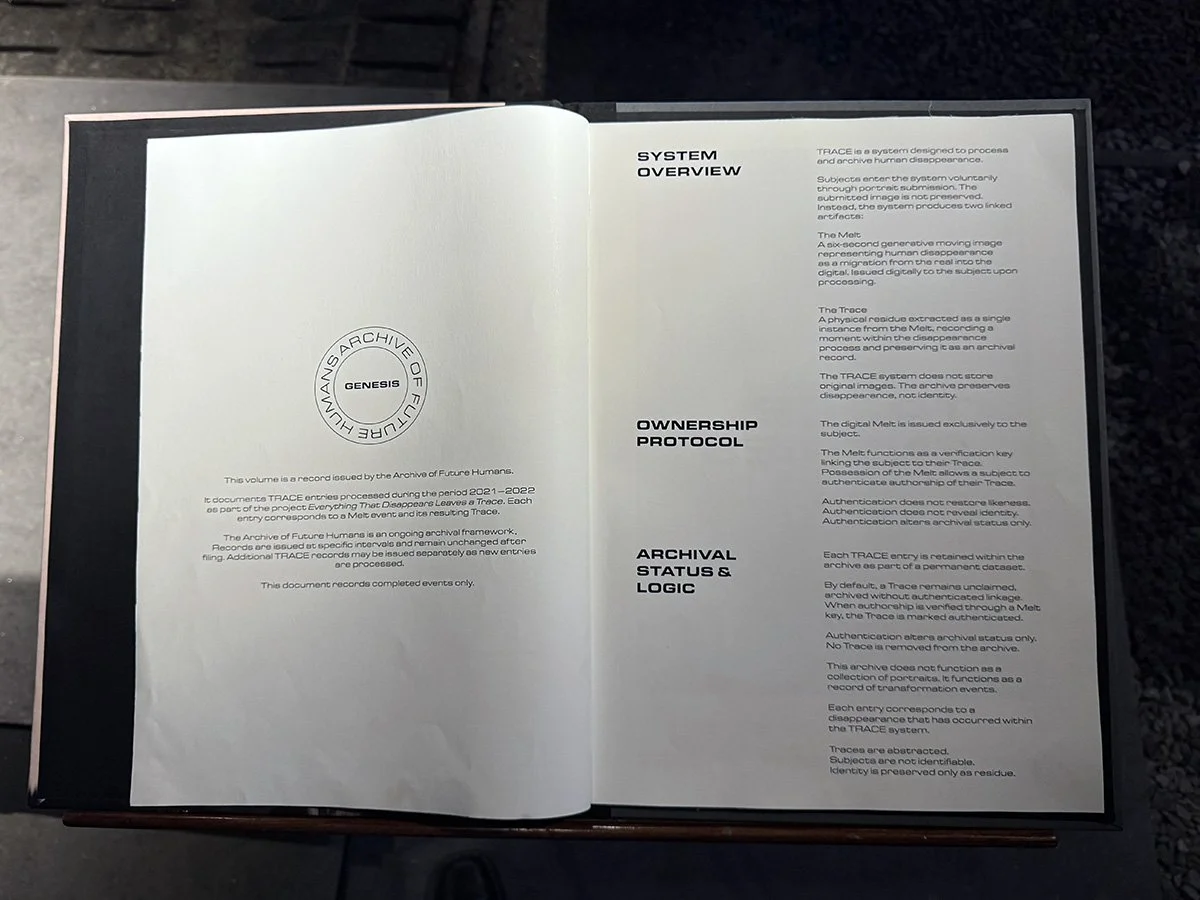
TRACE is a system artwork that investigates how human identity migrates from the physical into digital environments. Through generative portraiture called The Melt, static images are transformed, dissolved, and reconfigured as digital moving identities. Each Melt yields a corresponding physical residue, a Trace, that enters an archive. TRACE reframes portraiture from representation into a procedural transformation, exploring identity as networked, mutable, and archival rather than fixed

ARTIST NOTE
Everything That Disappears Leaves a Trace is a system-based artwork that explores disappearance, identity, and ownership in the digital age. Inspired by Jean Baudrillard’s notion of disappearance as a uniquely human invention, TRACE extends this idea into the present, where disappearance is no longer symbolic alone, but infrastructural. Identity does not simply vanish; it is transformed, abstracted, verified, and archived by computational systems.
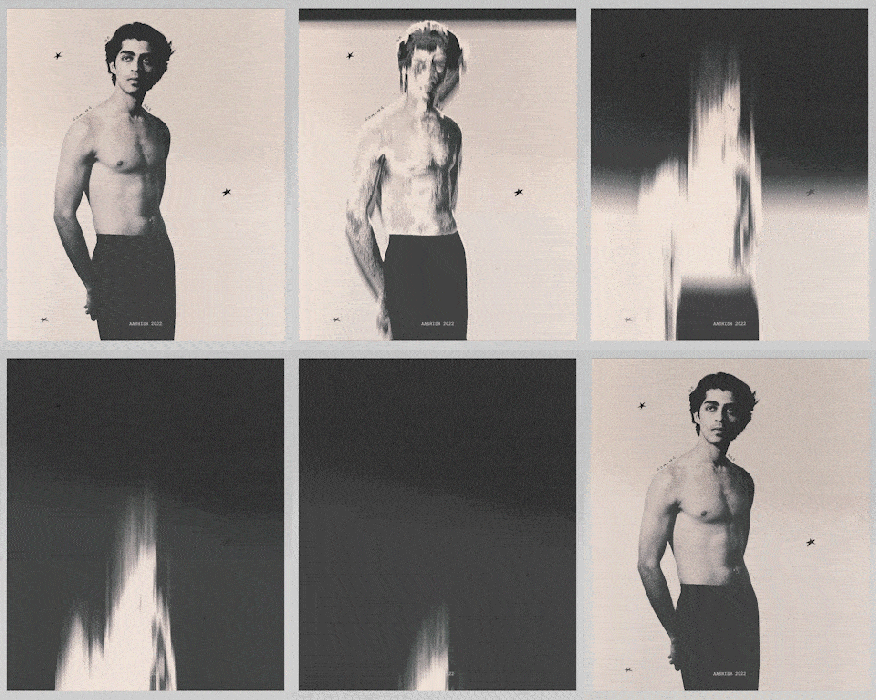
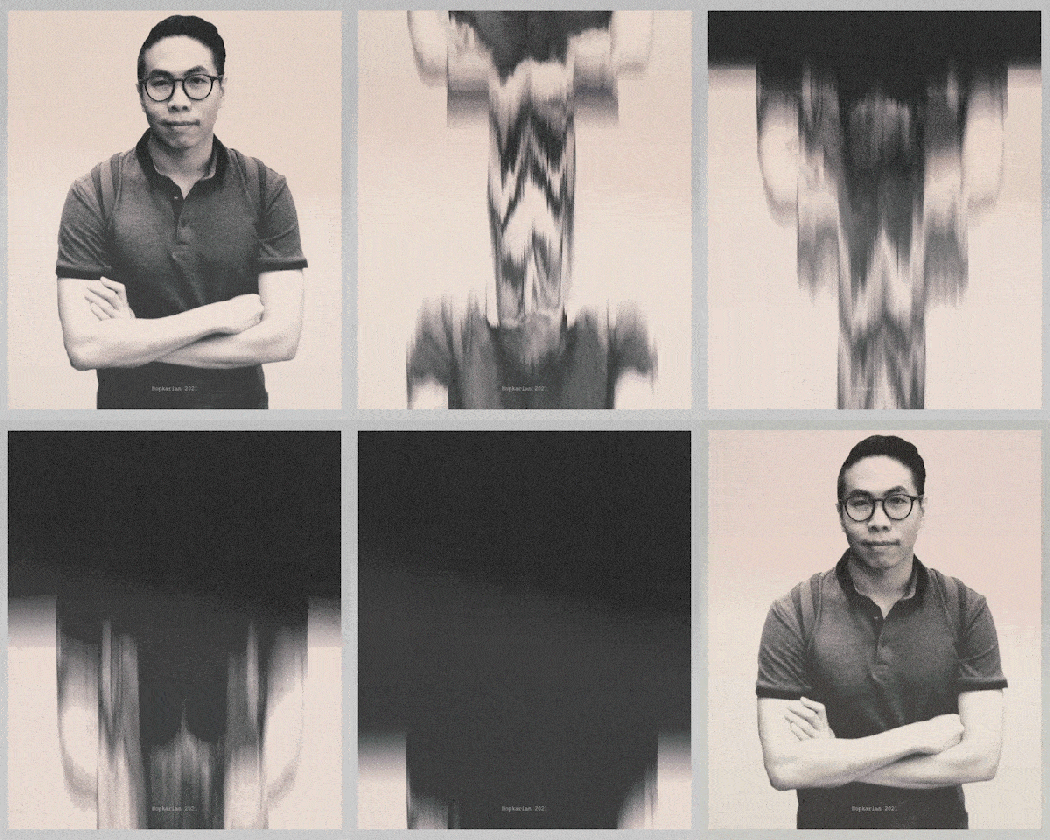
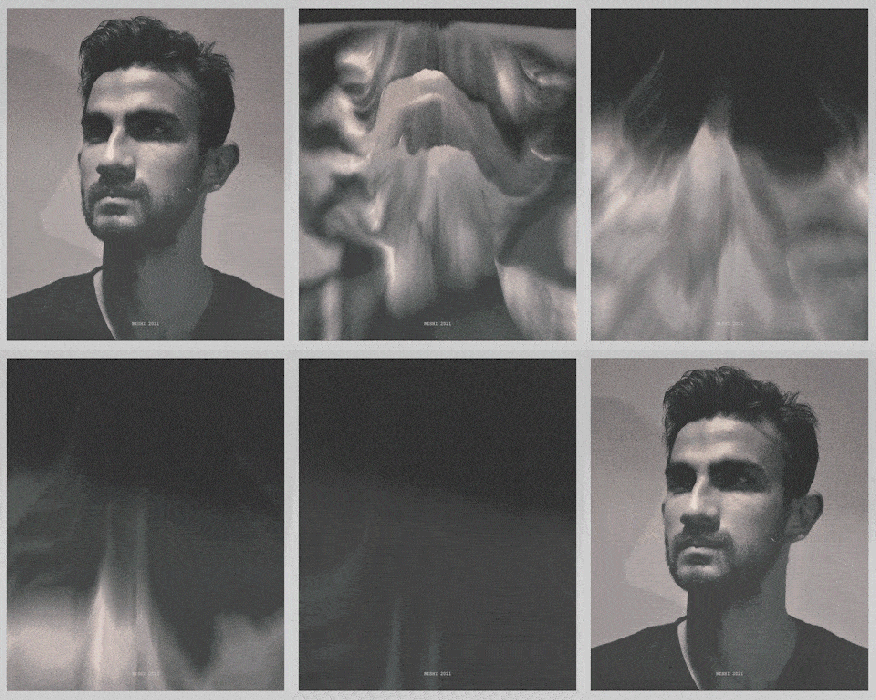
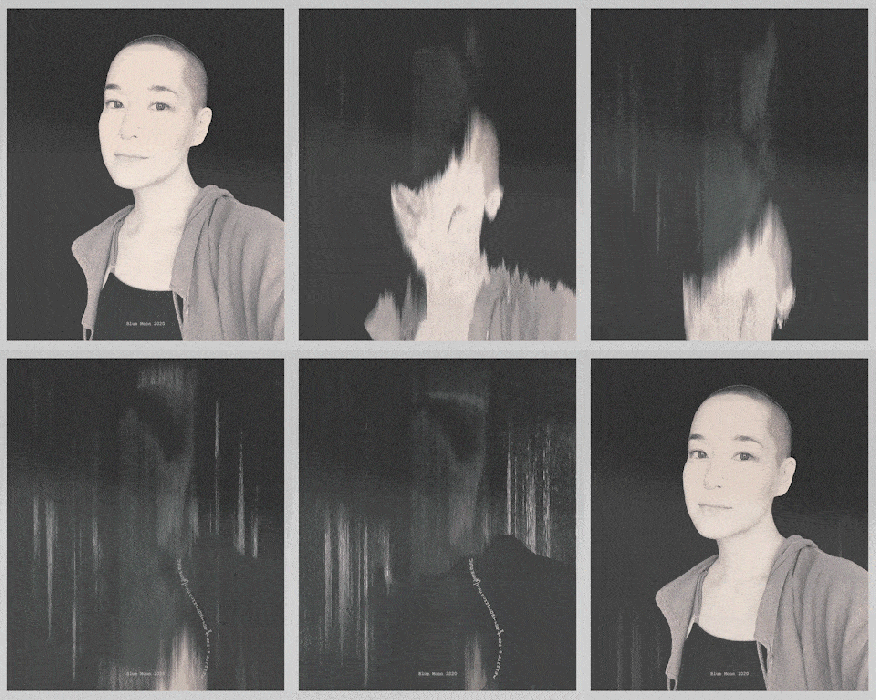
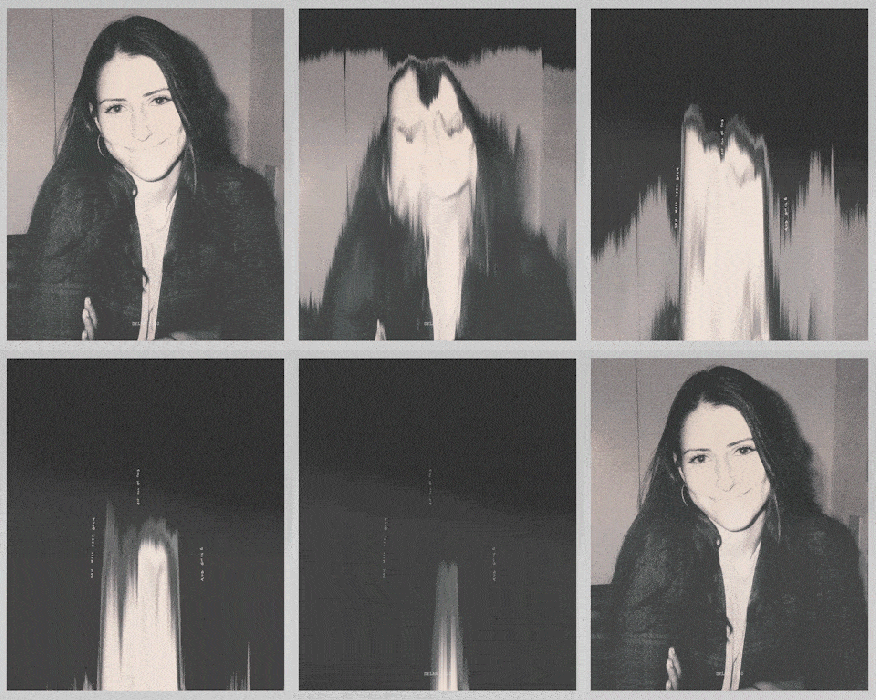
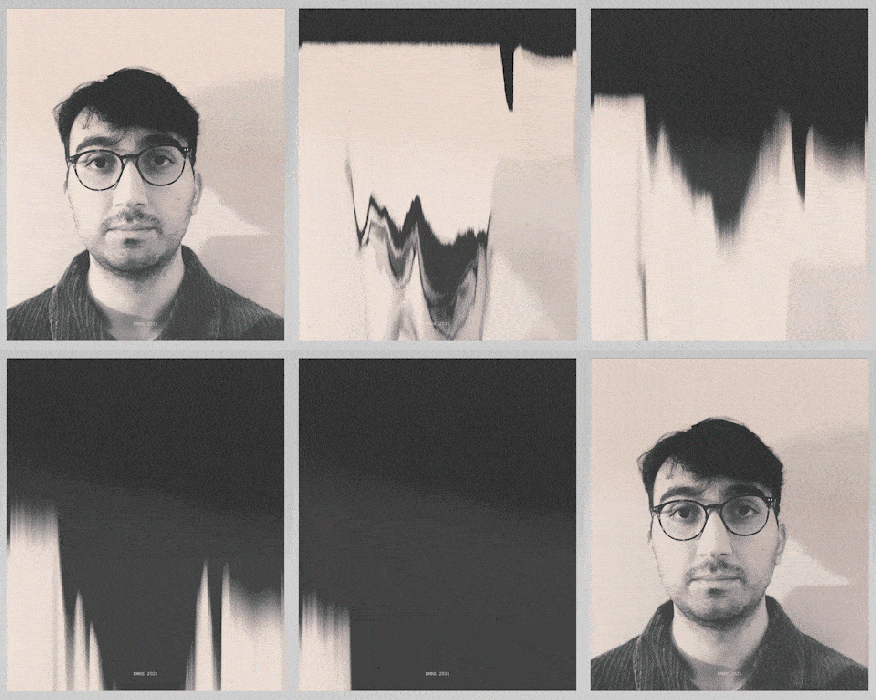
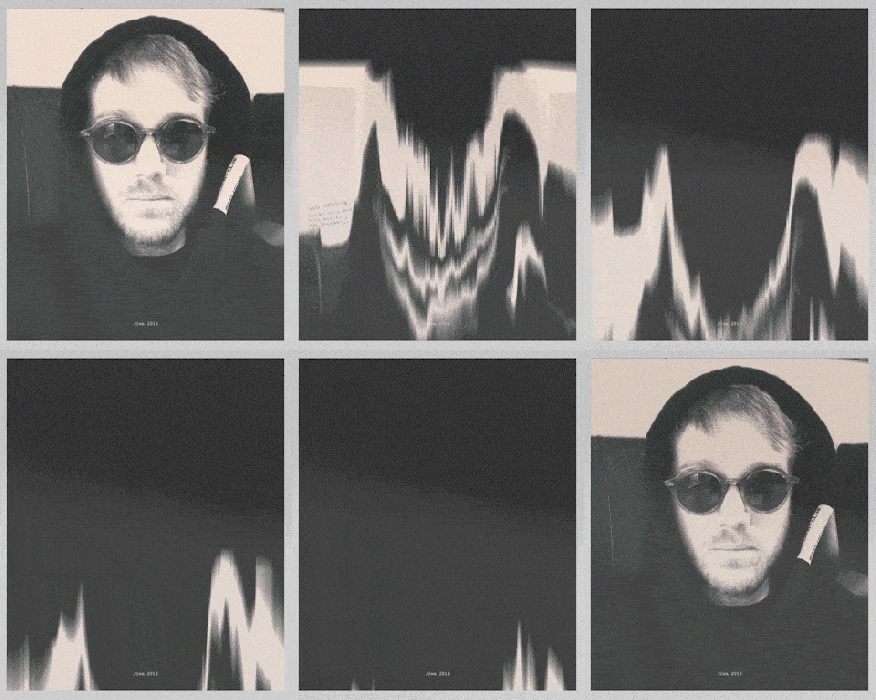
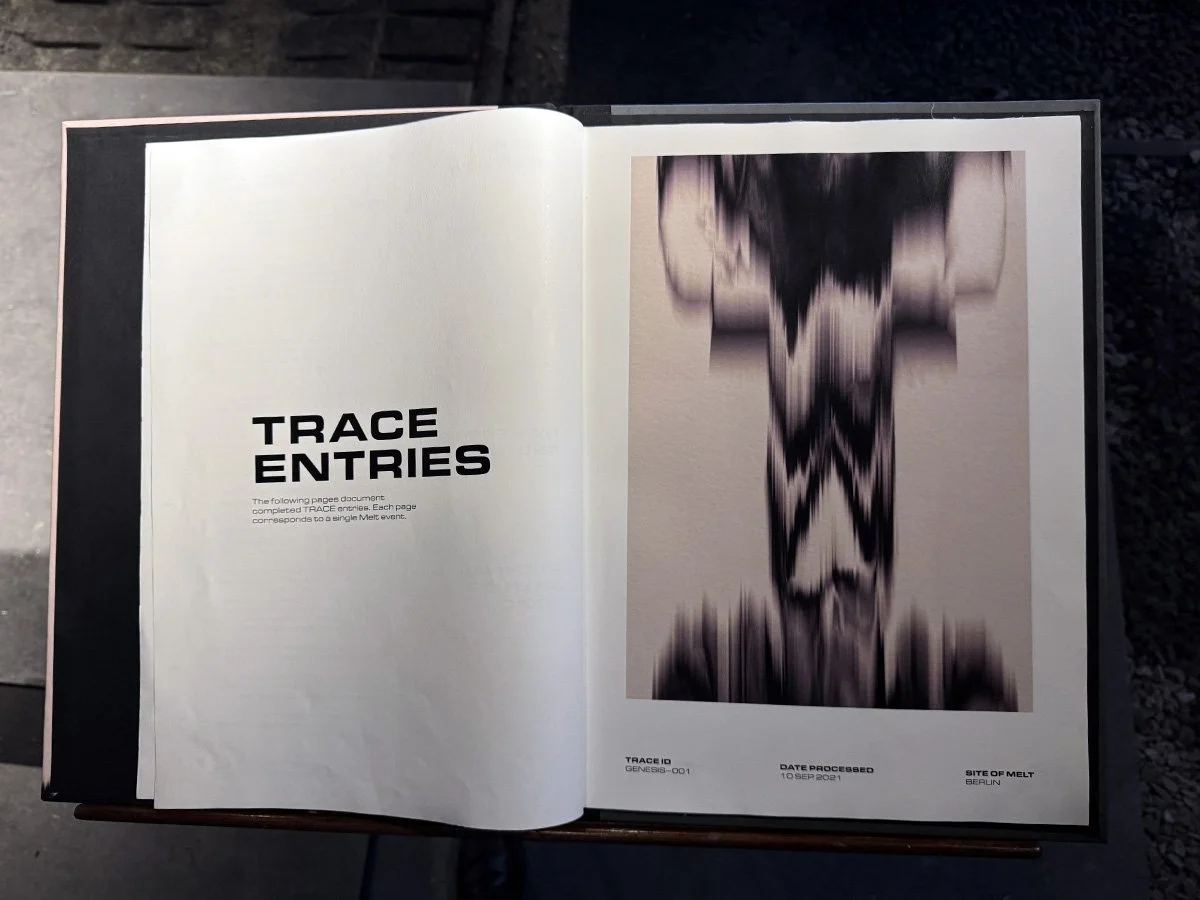
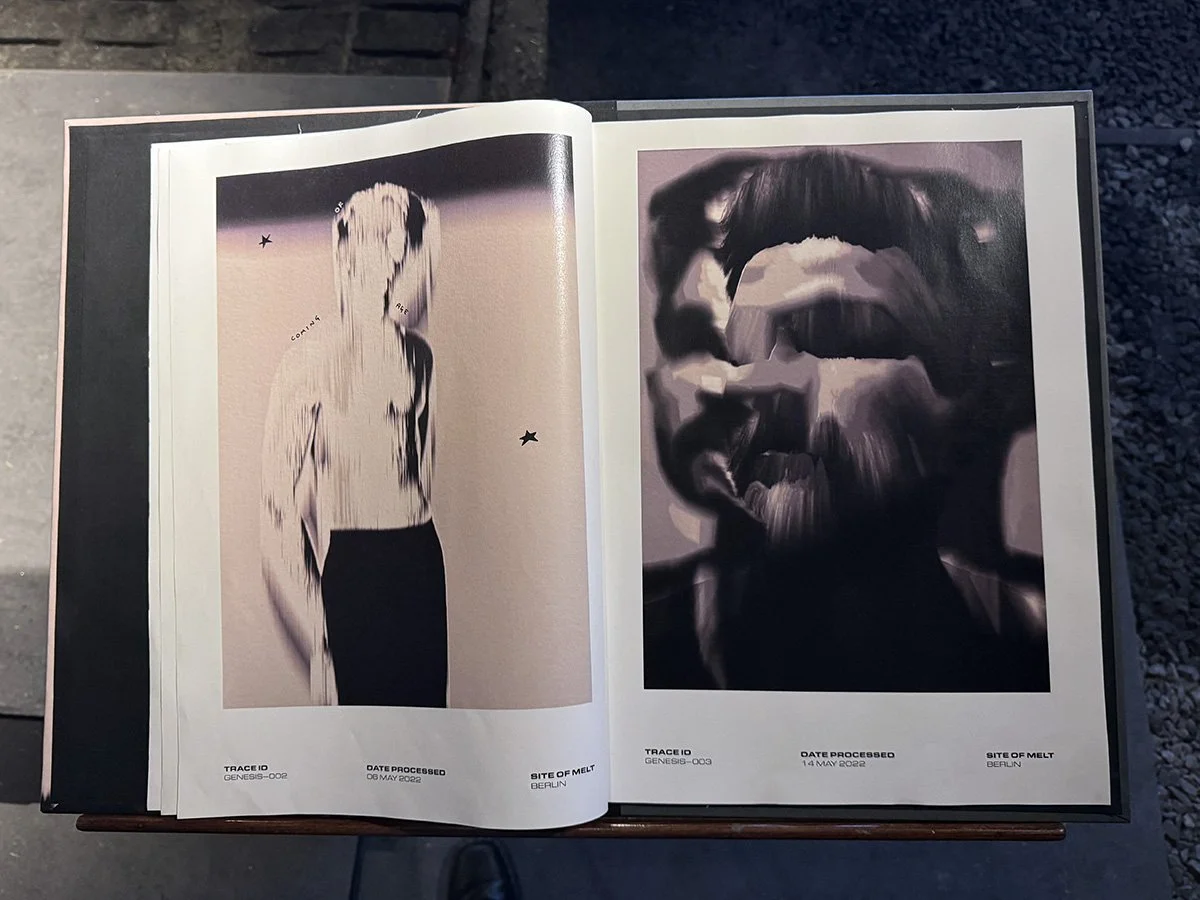
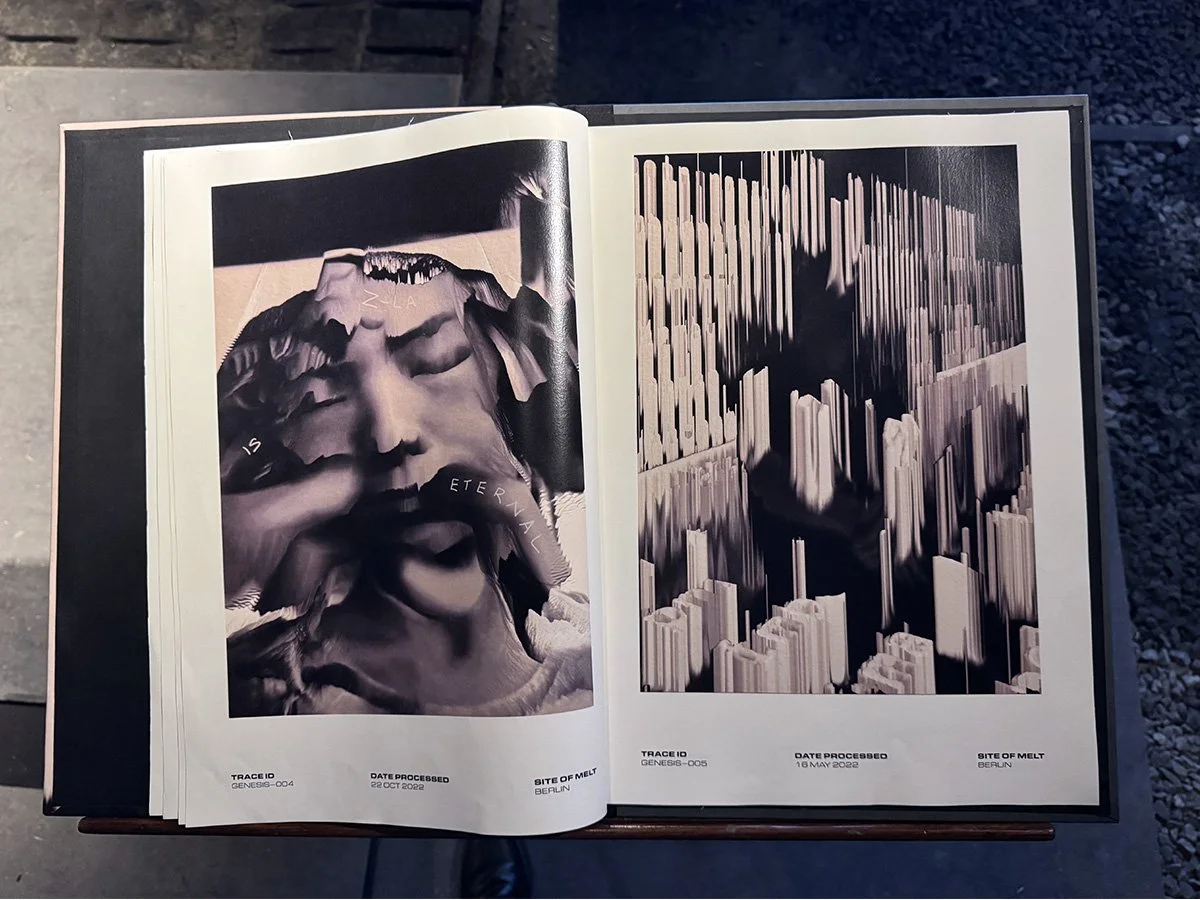
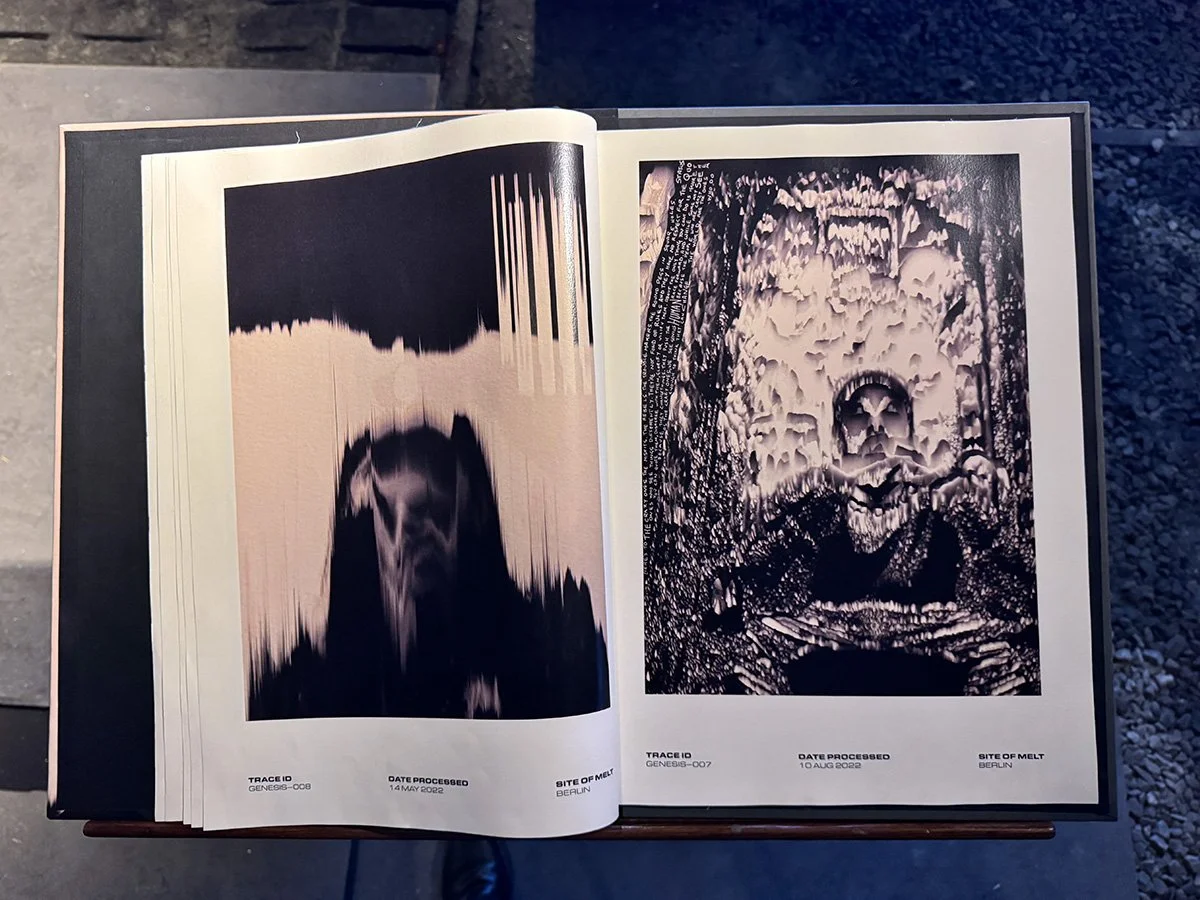
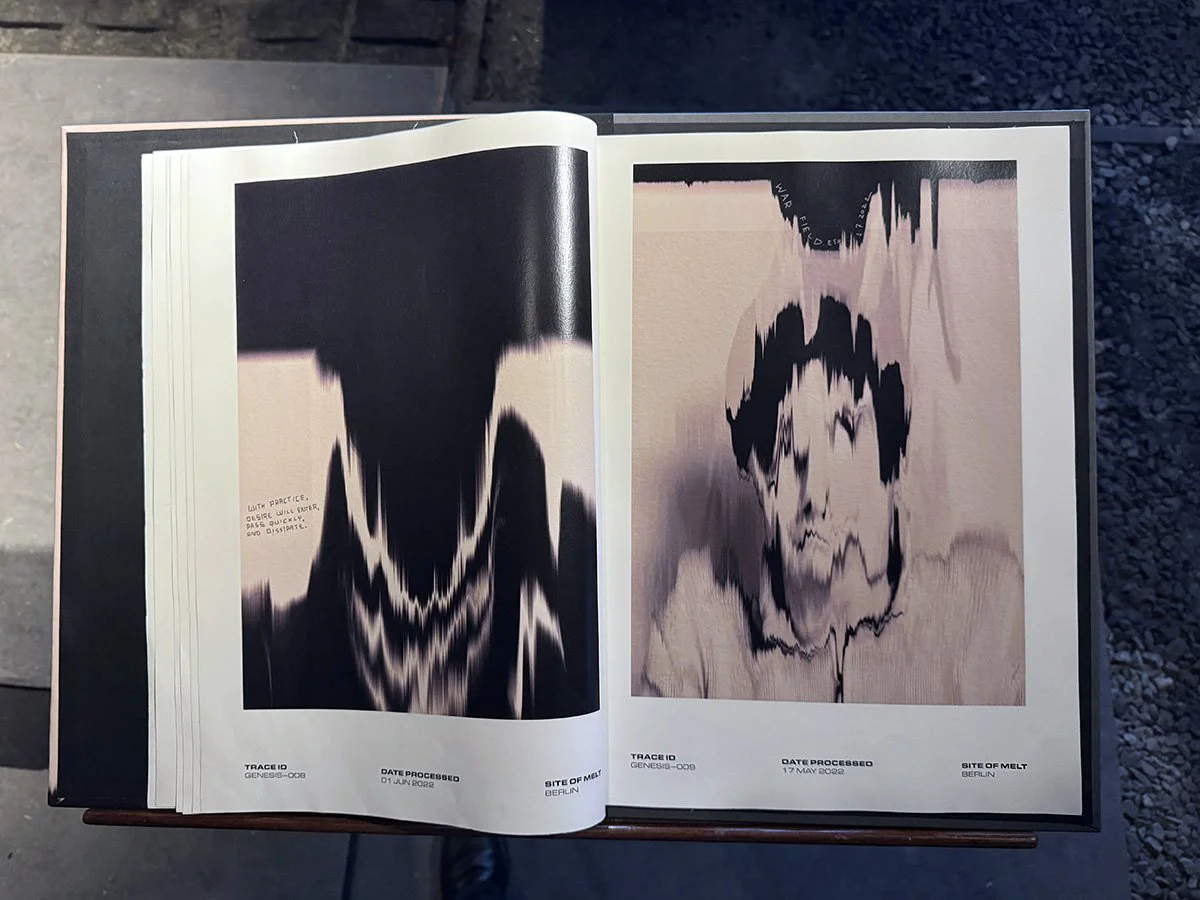
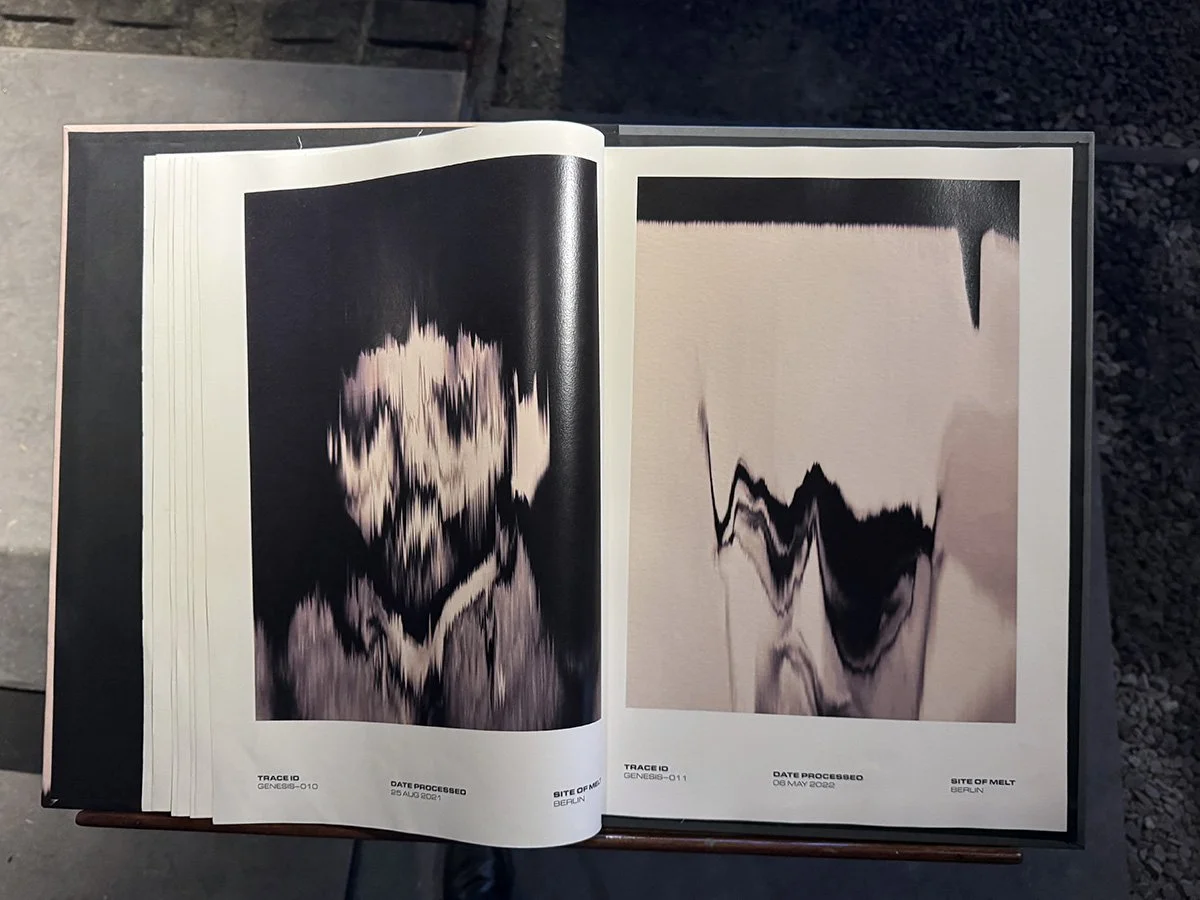
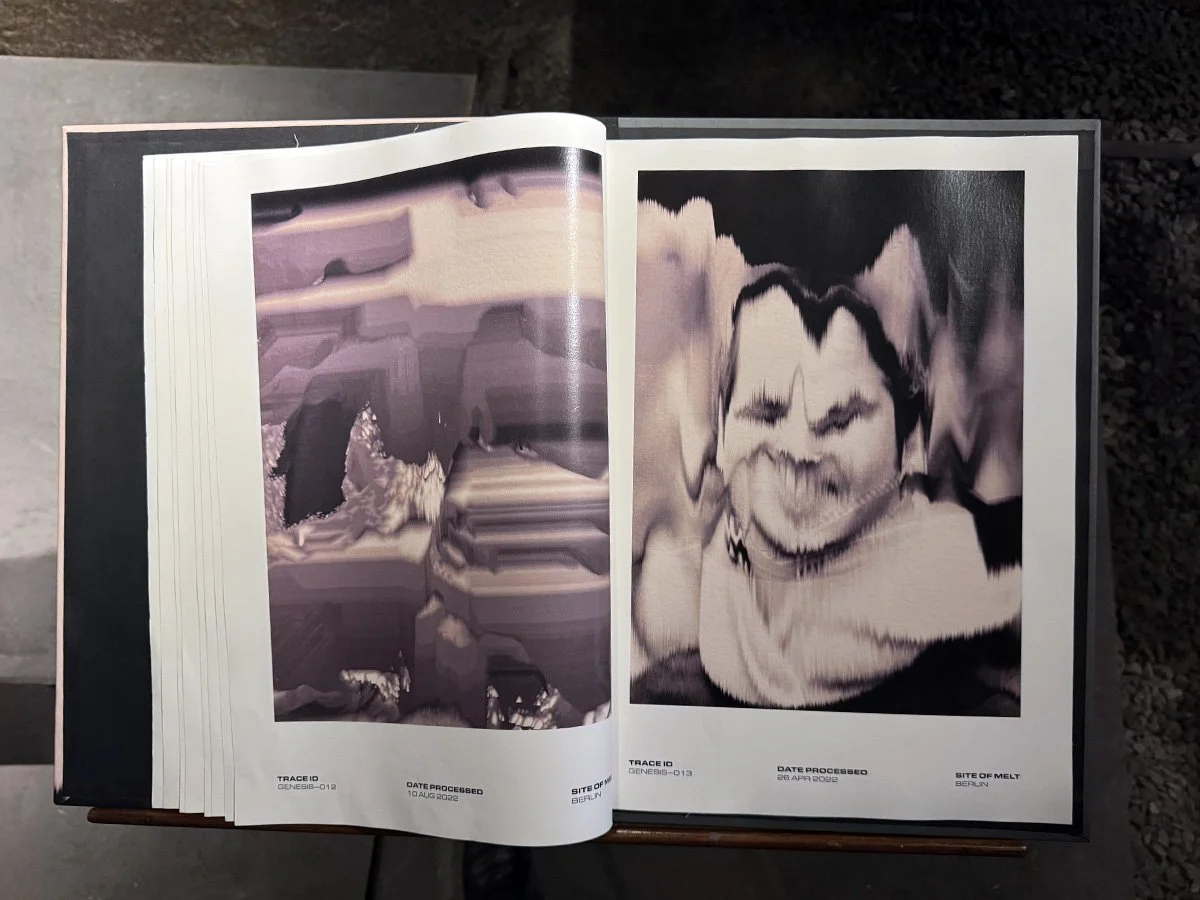
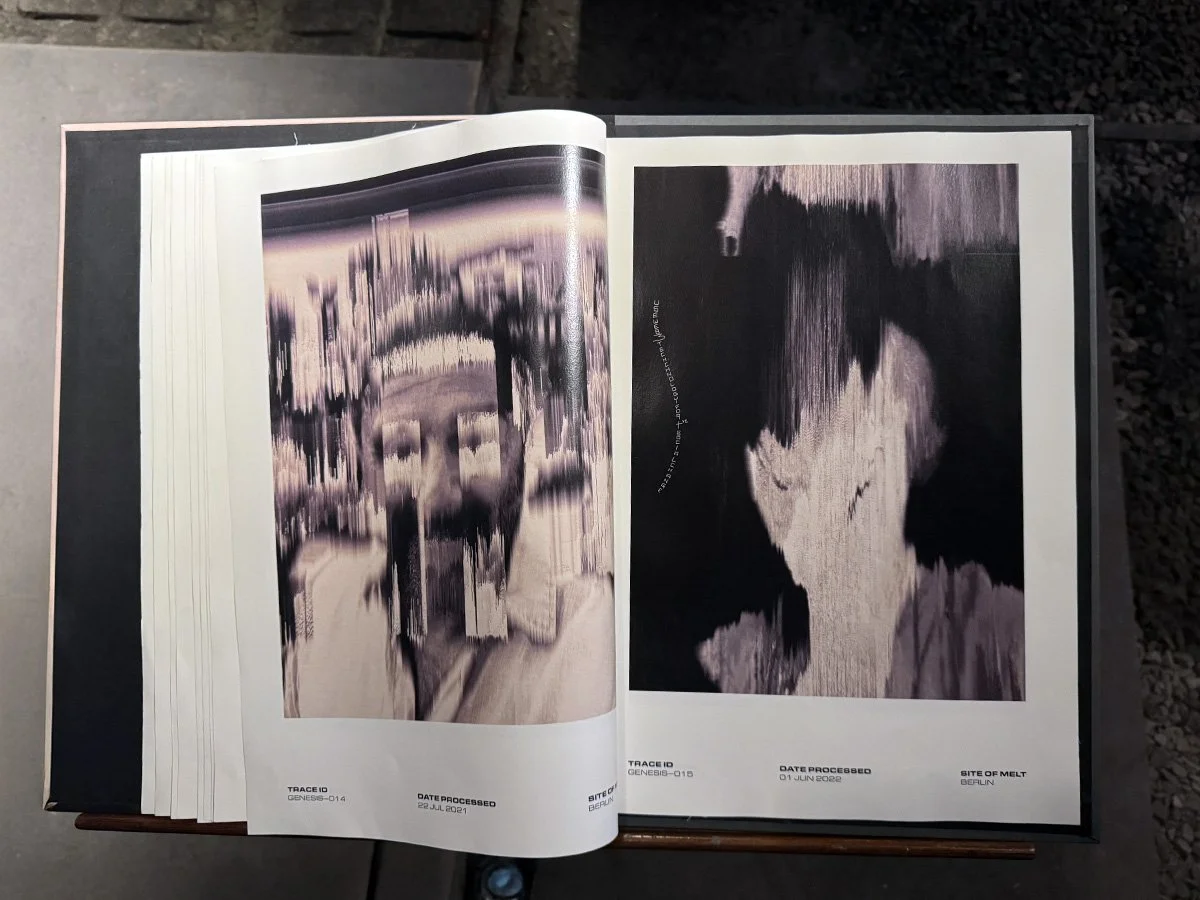
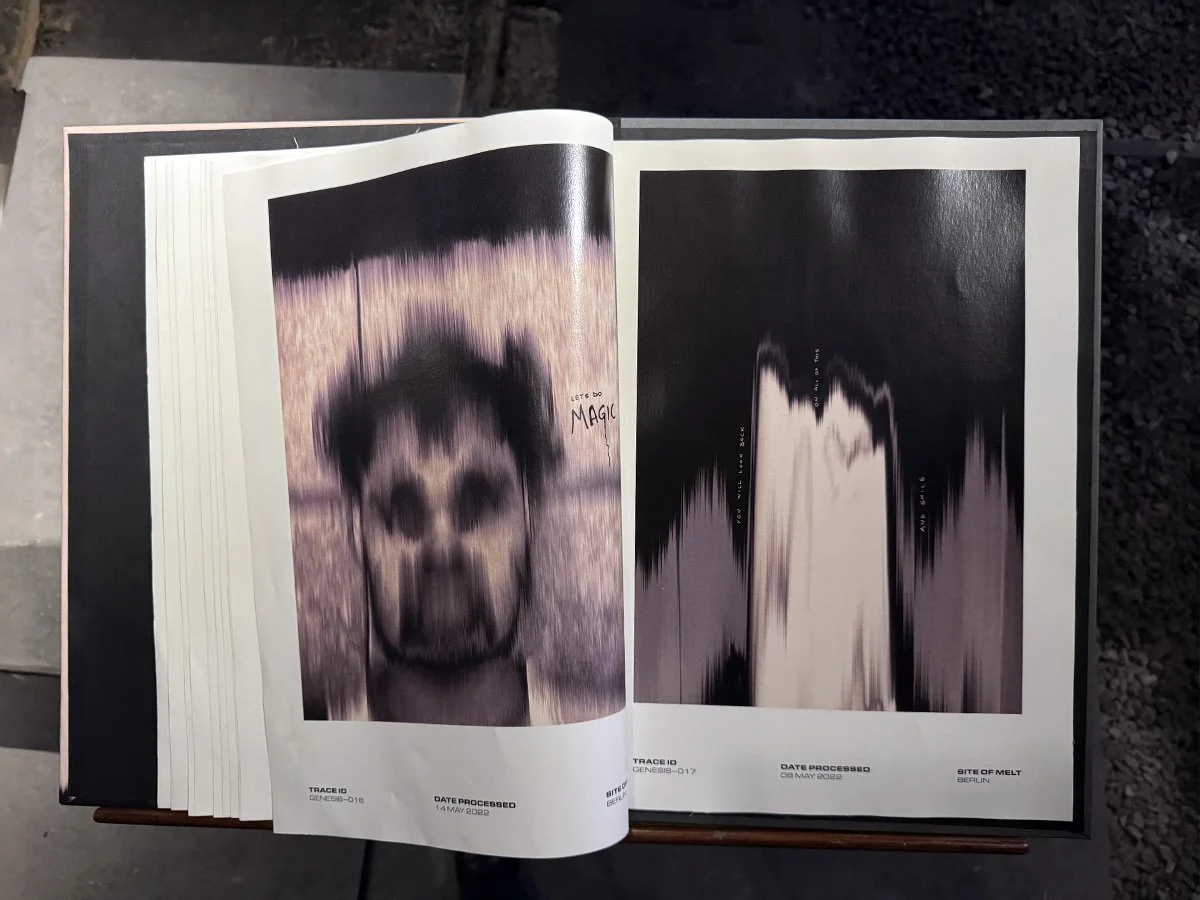
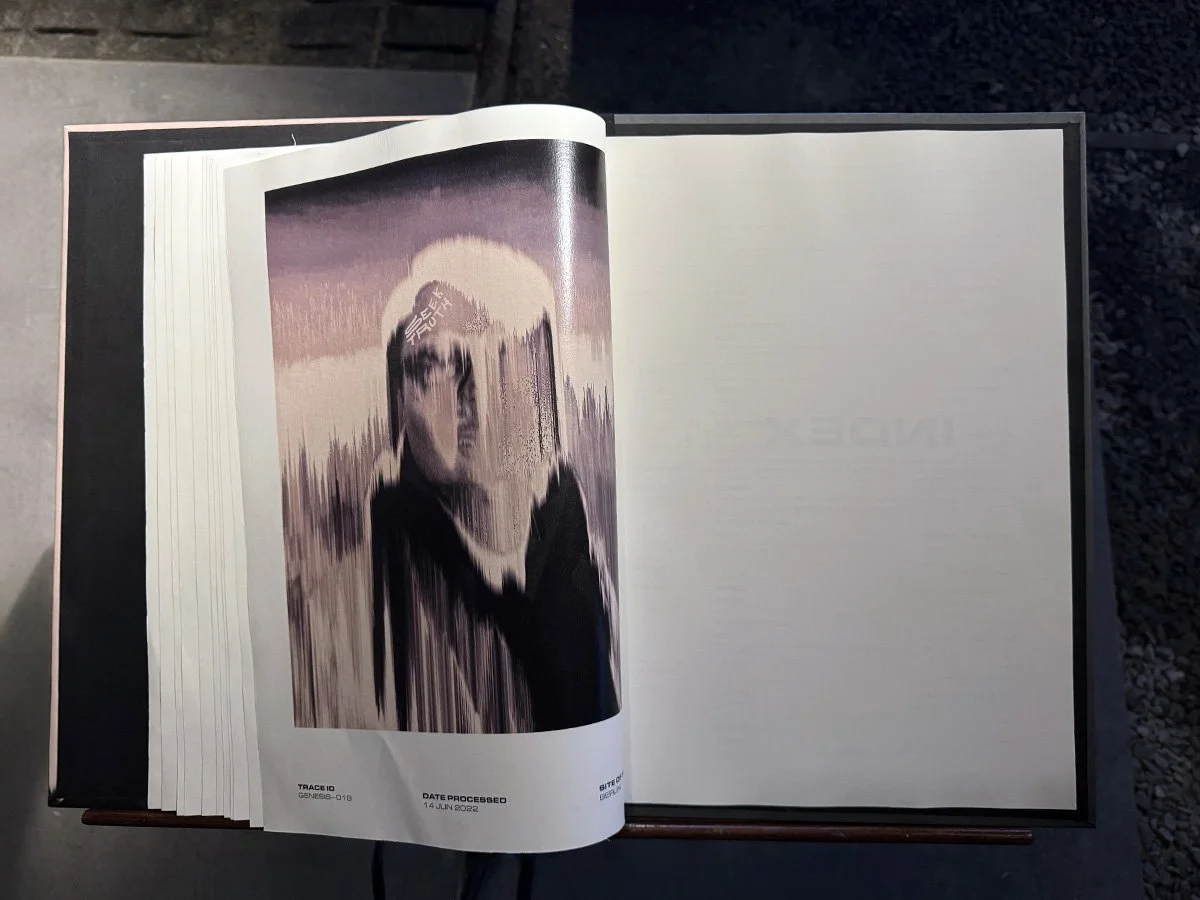
At its core, TRACE is grounded in portraiture. Historically, portraits preserve likeness and fix identity. TRACE inverts this logic. Here, the portrait is not a representation but a post-identity artifact. Each submitted portrait undergoes The Melt: a six-second generative moving image in which recognizability briefly emerges before dissolving into abstraction. What remains is The Trace, a still image extracted from the moment of disappearance.
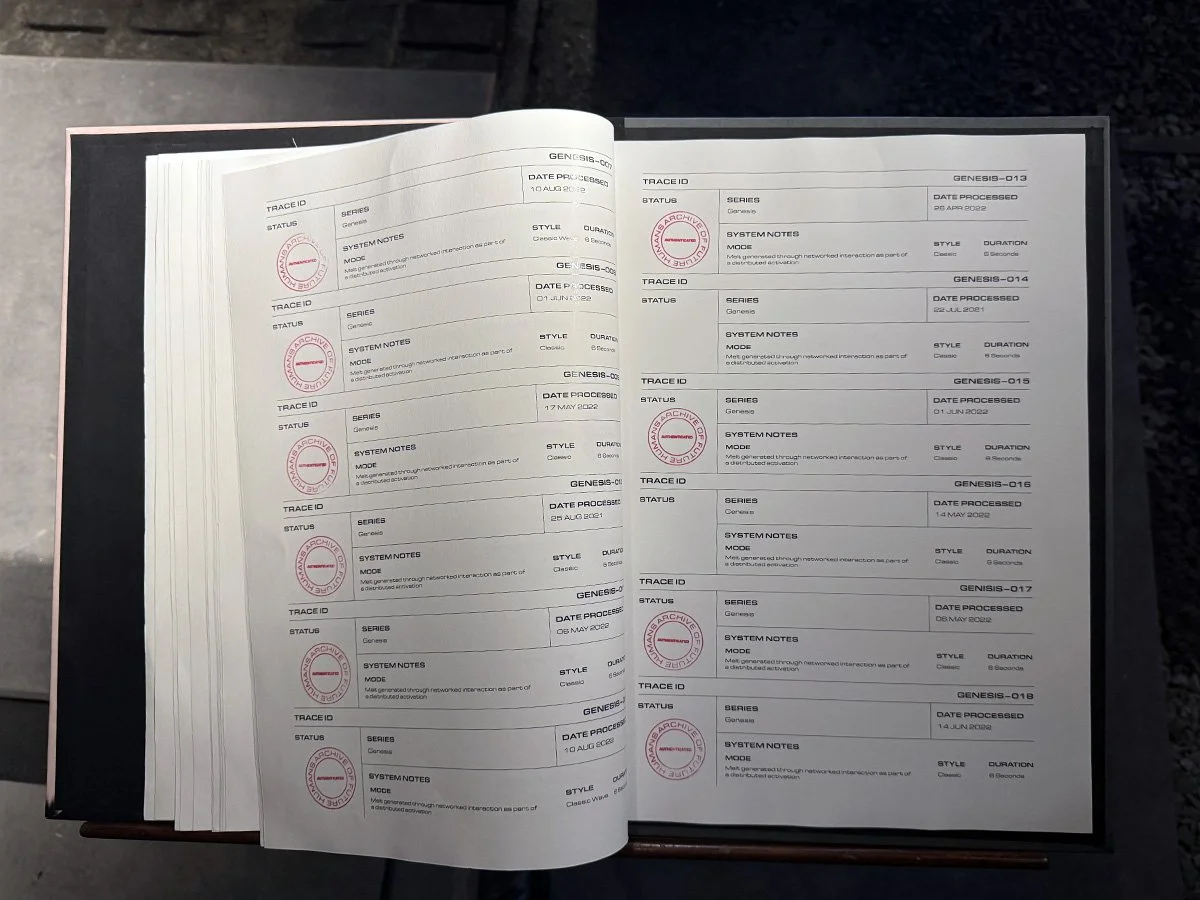
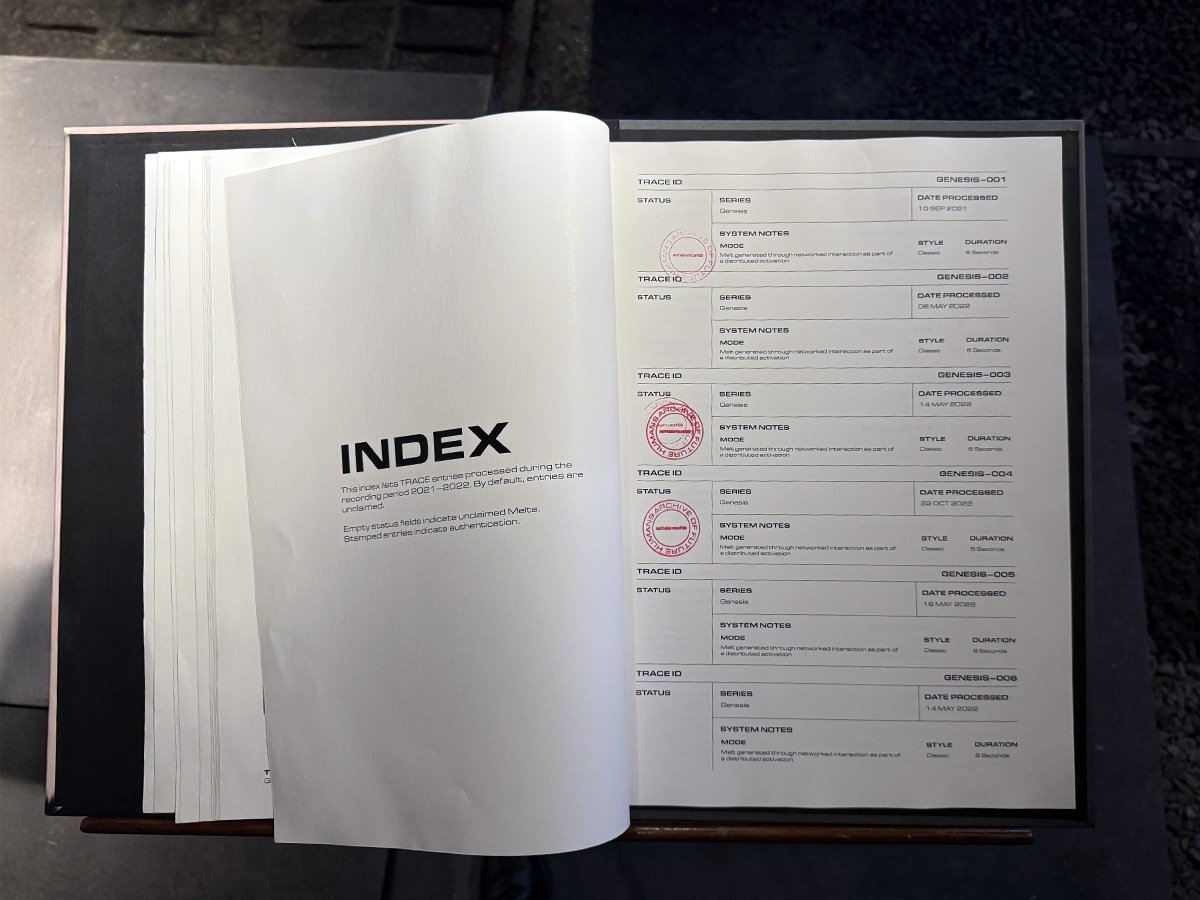
Each submission produces two linked artifacts. The digital Melt is issued to the participant as a cryptographically verifiable artifact, establishing ownership over their own digital identity fragment. The physical Trace enters the Archive of Future Humans, a growing repository of residues left behind by digital migration. The original image is never preserved, only its transformation remains.
Ownership operates as a protocol within TRACE. The Melt functions as a verification key linking the digital artifact to its physical Trace. Only the holder of the Melt may later authenticate their Trace. Claiming a Trace does not restore likeness or remove it from the archive; it registers authorship without revealing identity. This model mirrors decentralized and zero-knowledge systems, where proof can exist without exposure.
Alongside its participatory system, TRACE includes a curated series titled Archive of Power, which depicts individuals who shape and govern digital identity infrastructures. By dissolving their images, TRACE reverses contemporary power structures of visibility, transforming figures of control into unstable, publicly ownable artifacts.
TRACE is not a single artwork but a living system. Each exhibition generates a site-specific dataset, expanding the Archive of Future Humans. The work exists as an evolving network of portraits, permissions, and residues, proposing a future where identity may function not as an image, but as an artwork, a protocol, and a trace.


TRACE extends a conceptual trajectory I began with The Animal is Absent (2014), a project that explored ecological disappearance and the imperceptibility of animals within human-centric systems of visibility. That work investigated the vanishing of the animal - not just as a biological loss, but as a symbolic and cultural absence.
A decade later, TRACE turns that lens inward. Now, it is the human who disappears - not through extinction, but through abstraction. In an age of machine vision, surveillance, and algorithmic control, TRACE examines how identity itself dissolves into data, echoing Baudrillard’s notion of a uniquely human “art of disappearance.”
Iteration 01: Genesis (2022)
In 2022, TRACE began as an invitational experiment testing early conditions of the system. This set of 20 melting portraits and corresponding Traces represents the genesis dataset, the initial body of work from which the system would later formalize. These works visualize identity as it coalesces and dissolves, capturing the aesthetic passage from form toward abstraction.

Process
Everything That Disappears Leaves a Trace is a series of melting portraits capturing humanity’s collective disappearance from the real world and migration into the digital. I transform static images into 6 second visual identities by processing it through a node-based visual programming software to manipulate, distort, and displace the pixels in the portrait to generate unique melting characteristics. In addition to leaving some creative control to randomness of code, this system is connected to an external Akai APC40 MKII midi controller so I have the ability to play with different variables at the same time. This allows me to treat each melt like a visual composition forming in real time and are made based on pure feel.
The result is always unique "hand made" visual portraits of humans melting away symbolising our slow disappearance.
ARCHIVE OF FUTURE HUMANS
ARCHIVE OF FUTURE HUMANS
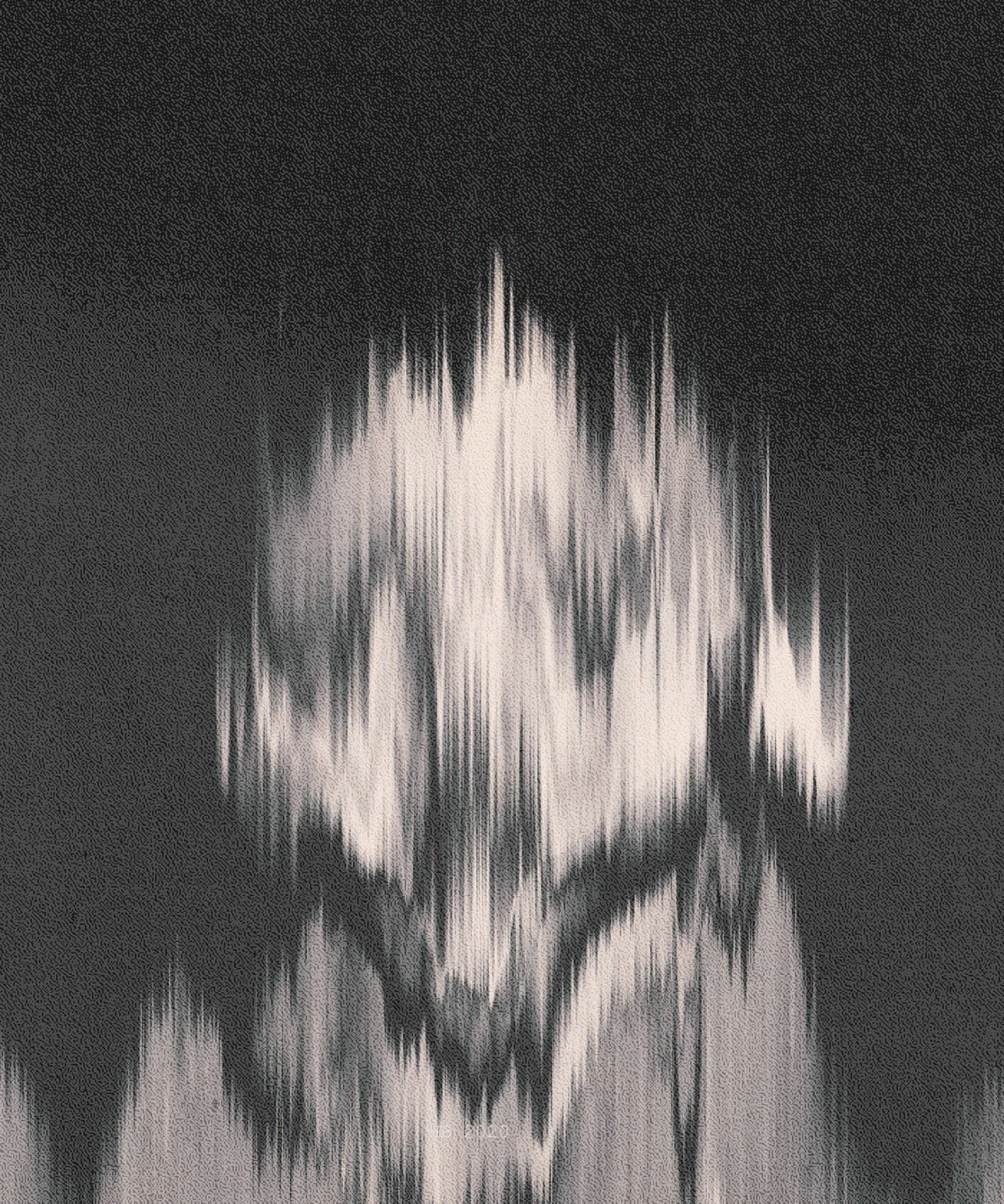
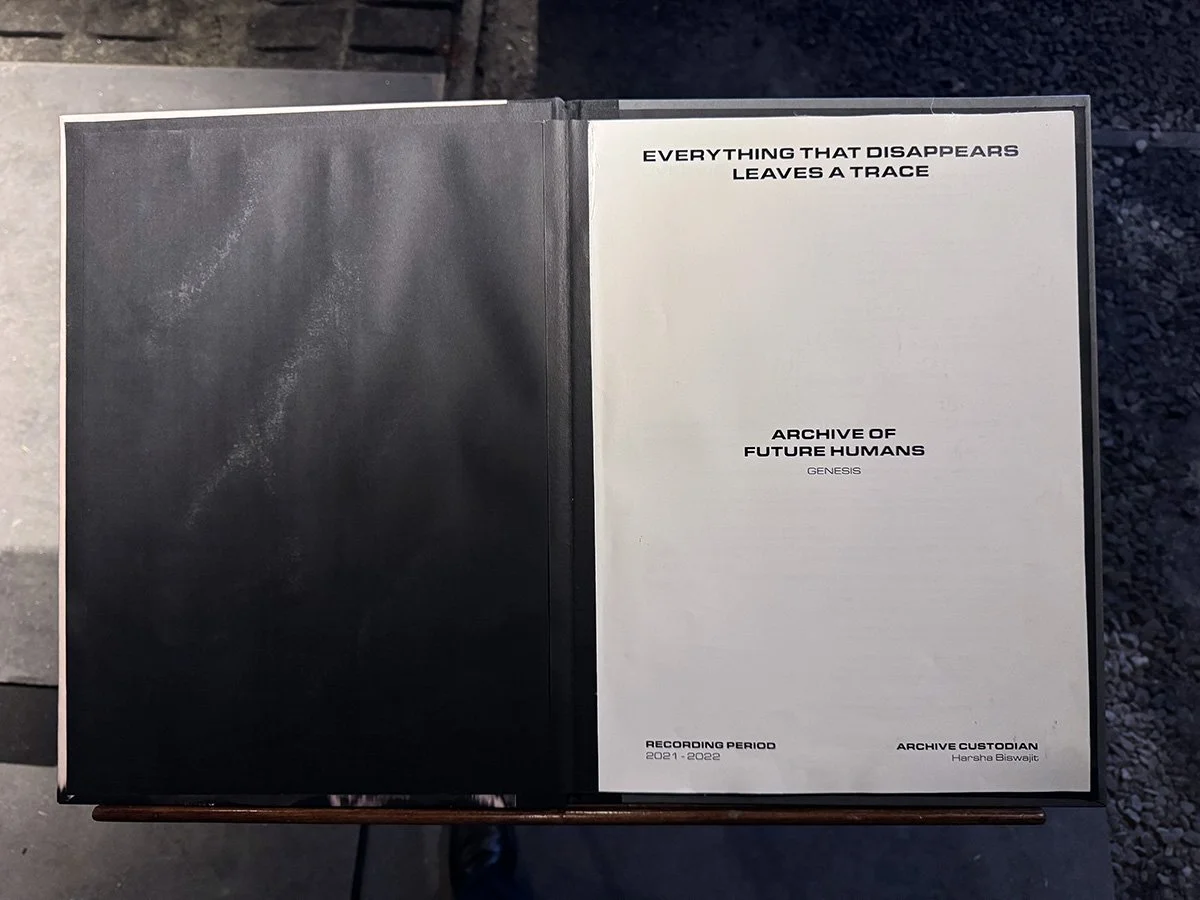
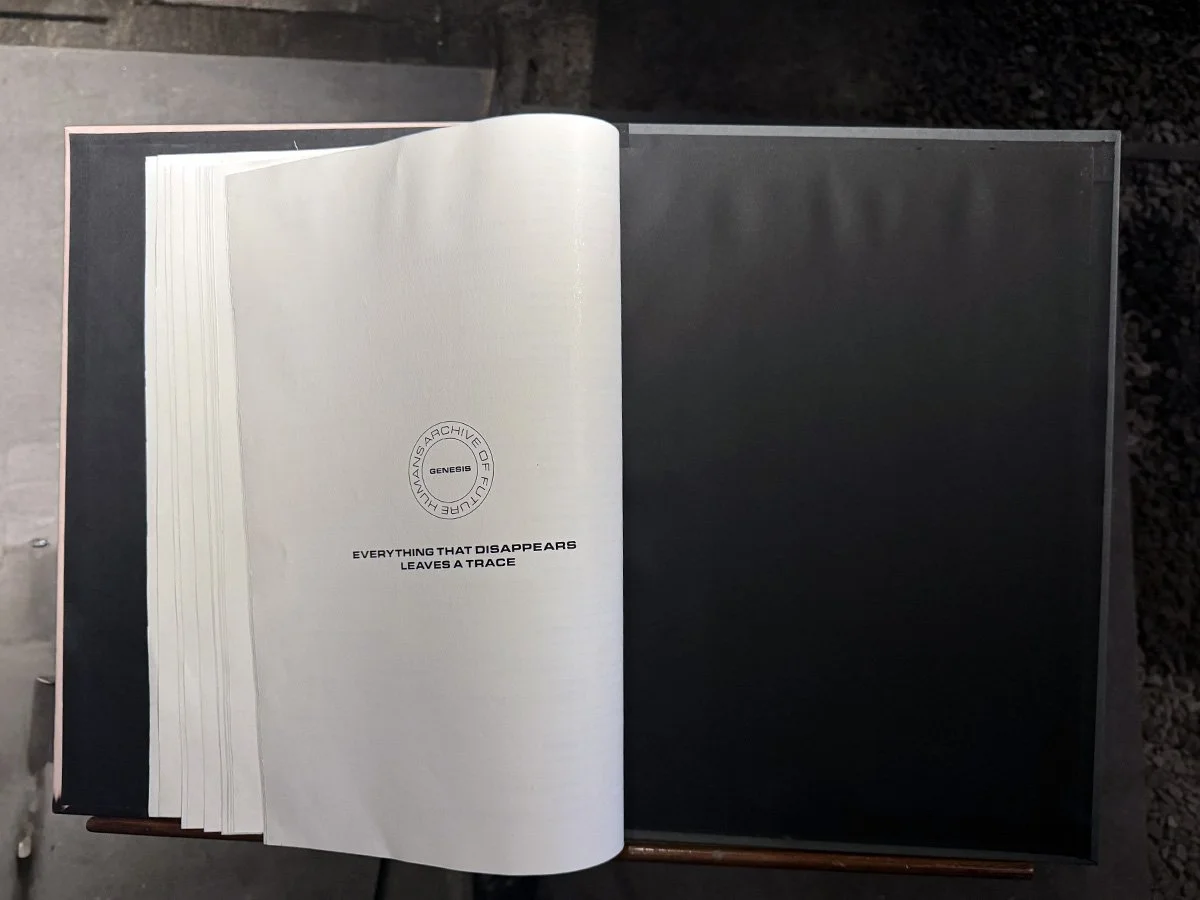
The Archive of Future Humans houses the physical Traces generated by TRACE iterations: material residues derived from Melt events. These Traces do not resemble the original portrait; they are records of transformation. As an evolving collection, the archive documents the system’s ongoing inquiry into identity, disappearance, and digital migration.
This archive challenges conventional portraiture: instead of preserving presence, it preserves evidence of passage, a record of how identity unravels and persists across form and time.
